
Quality Assurance TBC
PROGRAM
Saturday April 18
ACST
8:00am-8:30am
REGISTRATION
8:30am-9:00am
CONFERENCE OPENING
Welcome to Country
Mary Williams
The Larrakia people are the Traditional Owners and Custodians of the greater Darwin region (known as Garramilla), with a connection spanning over 60,000 years. As "saltwater people," they maintain a deep, spiritual connection to the land and sea, extending from the Cox Peninsula to the Adelaide River.
9:00am-11:00am
CPD: 2Ti
GLAUCOMA IN PRACTICE: Case-based approaches to diagnosis and management
This interactive session will explore the practical realities of glaucoma care for optometrists. Using real-world clinical scenarios, we’ll examine challenges faced in diagnosing, managing and prescribing for patients with glaucoma and ocular hypertension. The current evidence base underpinning glaucoma management will be reviewed, as well as therapeutic agents available for optometrists practicing in Australia.
Learning Objectives
Identify and accurately interpret clinical features indicative of glaucoma.
Discuss the key considerations in prescribing for glaucoma.
Recognise the common side effects of topical glaucoma medications and how these can be managed.
Apply principles of quality use of medicines in the management of glaucoma.
Our Speaker
Janelle graduated with a Bachelor of Optometry from the University of Melbourne in 2007. She began her career at the Victorian College of Optometry (VCO), gaining experience across diverse settings, including community health services, Vision Australia low vision clinics in rural Victoria, and an Aboriginal community-controlled health service. Currently, as the Manager of Ocular Disease and Diagnostic Services at ACO, Janelle provides clinical leadership in the retinal disease and glaucoma clinics, along with supervision of final year students from a variety of universities.
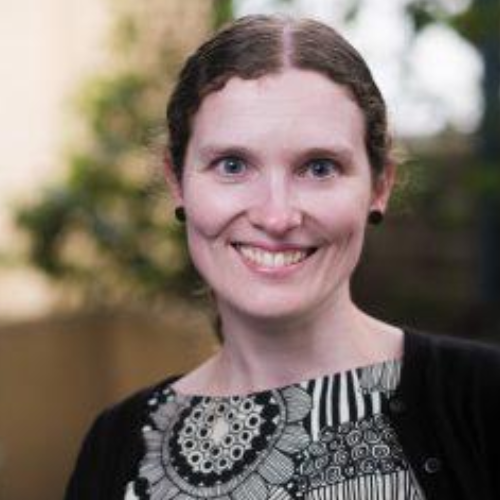
Janelle Scully
MORNING TEA AND EXPO
11:00am-11:30am
11:30am-12:30pm
CPD: 1T
NOT ALL MACULAR OEDEMA IS CREATED EQUAL: To inject or not to inject, is the question
This session will discuss the different causes for increased central macular thickness on OCT scans, differentiating causes that may mimic macular oedema.
Learning Objectives
Identify common causes for macular oedema and the clinical features that will help in differentiating between them.
Identify conditions that may mimic macular oedema
Outline of treatment/management options for macular oedema
Our Speaker
Dr Kulasekara is a comprehensive ophthalmologist with over 20 years of experience. He is a Fellow of the Royal Australian and New Zealand College of Ophthalmologists (FRANZCO) and is Fellowship trained in the sub-specialty of Medical and Surgical Retina from the University of Adelaide.
He is a member of the Australian and New Zealand Society of Retinal Specialists (ANZSRS) and the American Society of Retina Specialists (ASRS). Dr Kulasekara is also certified in Minimally Invasive Glaucoma Surgery (MIGS).
He currently works as a Consultant Ophthalmologist at the Royal Darwin Hospital and Darwin Eye Surgeons. Dr Kulasekara is a founding director of Darwin Eye Surgeons.
Dr Kulasekara performs cataract and other ophthalmic surgeries at the Darwin Private Hospital.
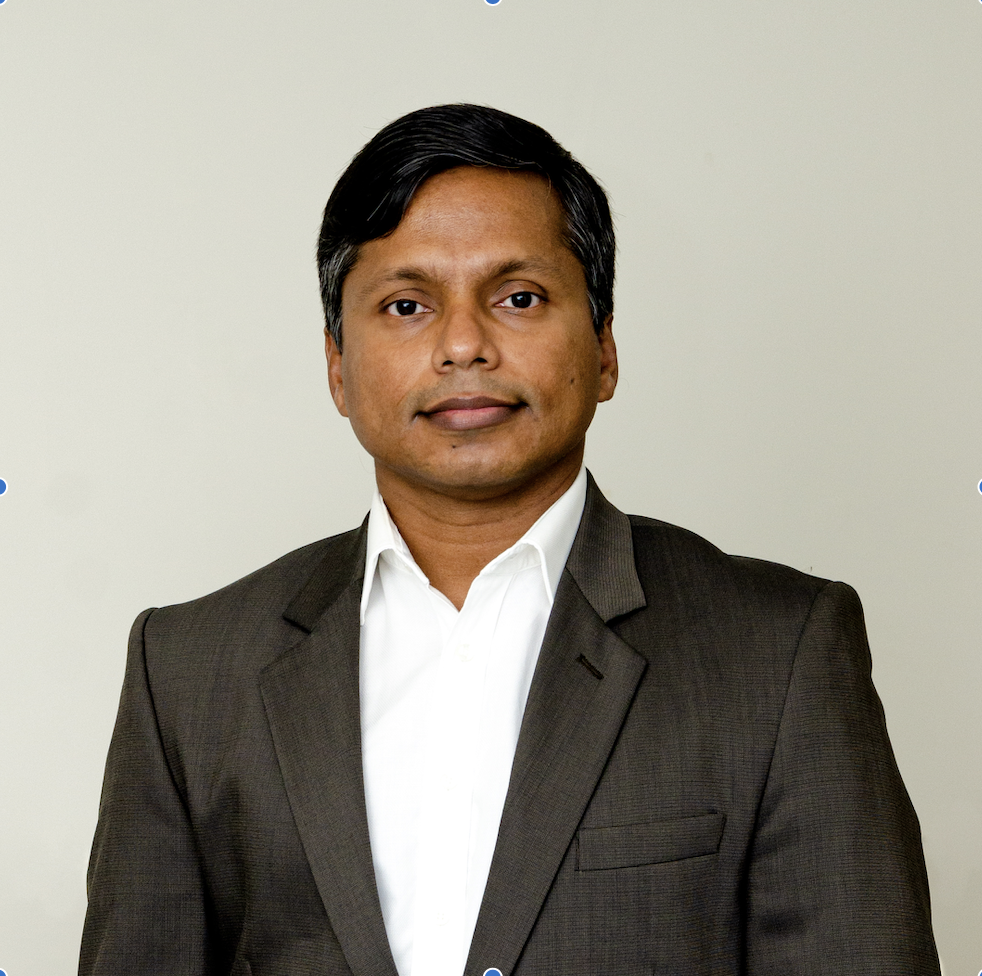
Dr Susith Kulasekara
12:30pm-1:30pm
LUNCH AND EXPO
1:30pm-2:30pm
CPD: 1Ti
WHAT'S NEW IN DRY EYE DISEASE? Key take-home messages from DEWS III for optometrists
This interactive presentation outlines a structured, evidence-based approach to diagnosing, classifying, and managing dry eye disease, based on the recommendations and conclusions of the recently released TFOS DEWS III report. Topics covered in this session include epidemiology, diagnostic methodology, disease subtypes, and management and therapy options for patients with dry eye disease. Emerging considerations—including digital device use, oral medication prescribing and novel pharmacological agents—are discussed in the context of optimising long-term outcomes. Case examples will be used to illustrate how DEWS III findings can be implemented into optometry practice.
Learning Objectives
Differentiate the key changes between the DEWS III and DEWS II reports.
Develop an evidence-based examination plan for patients with dry eye disease.
Implement evidence-based dry eye disease management and therapy recommendations to enhance patient outcomes.
Our Speaker
Dr Nicola Anstice is an optometrist, clinician scientist, and educator with a passion for advancing equitable access to eye care. She is currently Director of Research & Education at Optometry Australia, where she leads national research strategy, continuing professional development initiatives, and advocacy for the optometry workforce.
Her research interests span visual development, refractive error, and culturally safe approaches to eye health for Aboriginal and Torres Strait Islander and Māori communities. She has been recognised as a finalist in the Women in Innovation Awards for her leadership and impact across the sector.
Nicola is dedicated to bridging clinical practice, education, and policy to ensure high-quality, accessible eye care for all Australians.

Nicola Anstice
AFTERNOON TEA AND EXPO
2:30pm-3:00pm
OPTOMETRY SELF-DEFENSE: Lessons from real cases - patient complaints, Medicare investigations and how not to get sued
3:00pm-4:30pm
CPD: 1.5Ni
With her years of experience on the Optometrist Advisor Help Desk, Sophie will share what she’s learned and how she’s supported optometrists through patient complaints, ethical dilemmas, Medicare audit investigations, and medicolegal and professional risks. The session will discuss how to:
Prevent patient complaints and/or conflict, and understand your rights in tricky patient situations
Stay compliant and confident in your clinical practice.
Reduce stress and professional risk.
Safeguard your reputation and stay out of court.
This session will equip you with everyday things you can implement today, to help reduce your professional risk throughout your career.
Learning Objectives
Identify common causes of patient complaints and conflict in optometric practice and implement practical strategies to prevent escalation.
Recognise behaviours and documentation errors that increase exposure to medicolegal, Ahpra and Medicare investigations.
Apply risk-reduction strategies to real-world common scenarios involving ethical dilemmas and difficult patients.
Explain your rights and obligations when managing challenging patient interactions and regulatory enquiries.
Adopt preventative strategies, to reduce professional risk and improve compliance, improve confidence and reduce workplace stress.
Our Speaker
Sophie is the Director of Professional Services at Optometry Australia, where she leads the Optometry Advisor Help Desk supporting optometrist members nationwide. She has a strong interest in governance and ethical leadership within the not-for-profit sector, as well as elevating a positive workplace culture.
Sophie was a recipient of Victoria’s prestigious Women in Leadership Scholarship while serving as first female Chair/President of the Australian College of Optometry (ACO) Board. She began her optometry career in Darwin as a new graduate and has since developed broad experience across public health, independent and corporate settings throughout metropolitan, rural and remote Australia. Her work has also included extensive collaboration with ophthalmology teams and the training of eye care practitioners across the Pacific region in East Timor, Papua New Guinea and Solomon Islands. She is passionate about improving the eye health outcomes of underserved communities both locally and internationally.
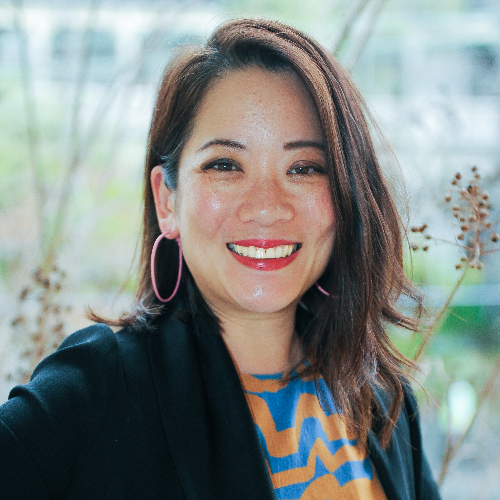
Sophie Koh
NETWORKING AND EXPO
4:30pm-5:30pm
FRIDAY NIGHT SPECIALS: Complex cases and their key clinical takeaways
5:30pm-6:30pm
CPD: 1T
You have all been there – last patient on a Friday night snowballs from what looks initially to be a simple case into a complex diagnostic and management process. This talk will use several of these types of cases to highlight some key diagnostic and management tips for clinicians to use in practice.
Learning Objectives
Interpret ocular imaging to diagnose and manage of ocular disease.
Utilise of systematic clinical reasoning – including history, exam findings, imaging, and ancillary tests – to narrow differential diagnoses in challenging cases.
Our Speaker
Michael is currently the Head of Clinical Operations at Centre for Eye health and an Optometry Advancement Advisor for Optometry Australia. Prior to this, Michael has had a diverse range of clinical experience, working in private practice and as a staff optometrist at UNSW before undertaking locum work Australia-wide and in the UK, as well as running an optical charity and working in two different ophthalmology practices.
Michael has been involved in a wide variety of optometric education programs focusing on ocular disease diagnosis and management both through online education and guides as well as at optometry conferences in Australia and internationally.
Michael is focused on the advancement of the optometry profession both in the areas of collaborative care as well as in enhanced scope of practice for optometrists.
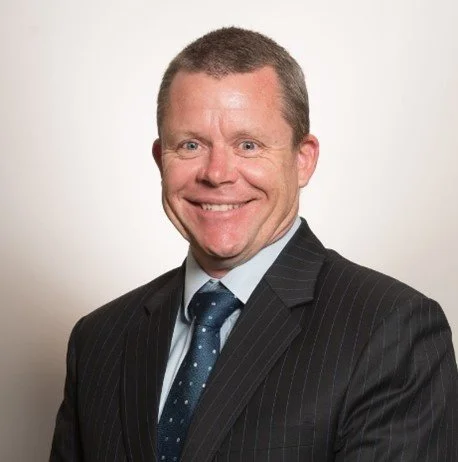
Michael Yapp
6:30pm
CLOSE
PROGRAM
Sunday April 19
PILLS IN PRACTICE: Oral medications in the treatment of ocular disease
ACST
9.00am-11.00am
CPD: 2Ti
This session will delve into a range of clinical conditions where oral therapeutic agents can play a role in a patient's treatment plan. Through engaging case discussions, we will examine the evidence supporting their use, explore key considerations for effective prescribing, and apply the principles of Quality Use of Medicines to ensure safe and appropriate medication management.
Learning Objectives
Discuss key considerations when prescribing oral therapeutics.
Identify conditions which may benefit from the use oral therapeutics.
Our Speaker
Janelle graduated with a Bachelor of Optometry from the University of Melbourne in 2007. She began her career at the Victorian College of Optometry (VCO), gaining experience across diverse settings, including community health services, Vision Australia low vision clinics in rural Victoria, and an Aboriginal community-controlled health service. Currently, as the Manager of Ocular Disease and Diagnostic Services at ACO, Janelle provides clinical leadership in the retinal disease and glaucoma clinics, along with supervision of final year students from a variety of universities.
Janelle Scully
11am-11.30am
MORNING TEA AND EXPO
OCT AND RETINAL IMAGING: How to maximise
the diagnostic and management potential of your devices.
11:30am-12:30pm
CPD: 1
Imaging, in particular OCT and retinal imaging has become an integral part of optometric practice. There is, however, a large amount of constantly updated published material showcasing what to look for and how to best utilise the results for optimal patient diagnosis and management. This lecture will take a condition-based approach (glaucoma, macular disease and diabetic retinopathy) to provide a wide range of practical tips and tricks to assist practitioners in maximising the benefit of OCT and retinal imaging devices in clinical practice.
Learning Objectives
Analyse and utilise OCT and retinal imaging in clinical practice.
Our Speaker
Michael is currently the Head of Clinical Operations at Centre for Eye health and an Optometry Advancement Advisor for Optometry Australia. Prior to this, Michael has had a diverse range of clinical experience, working in private practice and as a staff optometrist at UNSW before undertaking locum work Australia-wide and in the UK, as well as running an optical charity and working in two different ophthalmology practices.
Michael has been involved in a wide variety of optometric education programs focusing on ocular disease diagnosis and management both through online education and guides as well as at optometry conferences in Australia and internationally.
Michael is focused on the advancement of the optometry profession both in the areas of collaborative care as well as in enhanced scope of practice for optometrists.
Michael Yapp
12:30pm-1:30pm
LUNCH AND EXPO
1.30pm-3.30pm
CPD: 2i TBC
SEEING DEADLY: Implementing culturally safe eye care across the Top End
In this interactive workshop, optometrists will use case-based learning and peer discussion to explore how culturally safe and responsive eye care services can incorporated into clinical practice for Aboriginal and Torres Strait Islander patients, families and communities living in the Top End.
The workshop will take a strengths-based approach using Aboriginal and Torres Strait Islander ways of knowing, being and doing to enable optometrists to engage in a safe, empathetic and professional manner with Aboriginal and Torres Strait Islander clients. It will focus on allowing optometrists to recognise and evaluate how social and cultural determinants of health may influence health and well-being, access to care, patient/client attitudes and responses to optometry services in the community.
Learning Objectives
Define the term cultural safety and compare this with cultural awareness, cultural sensitivity and cultural responsiveness.
Describe the diversity of Aboriginal and Torres Strait Islander Peoples and cultures and identify cultural values and practices that are important to consider in the health context.
Analyse the links between the social determinants of health and health inequities and health outcomes.
Our Speaker
Shaun Tatipata is Narrindjeri / Wuthathi with family connects in the Torres Strait, Cape York and South Australia. Shaun’s professional career has been devoted to advancing the health and well-being of Aboriginal and Torres Strait Islander people. Having trained as an Aboriginal Health Practitioner (AHP), Shaun gained extensive experience delivering Primary Health Care and designing and implementing outreach programmes in both the Aboriginal Community Controlled Sector and with state/territory governments. It was through these roles that Shaun developed a passion for preserving and restoring site and set out to specialize in delivering culturally safe eye care services combining the unique skills set and cultural brokerage role of an AHP with the clinical expertise of optometrists and ophthalmologists.
Throughout his career, Shaun has held various senior leadership roles including overseeing the Fred Hollows Foundation’s programming efforts across Australia and is now engaged with both the University of Melbourne and the University of Western Australia as an Academic Specialist and Senior Lecturer. In 2020. Shaun established the Deadly Vision Centre in Darwin. As the only Aboriginal owned and led optical and eye care provider in Australia, the Deadly Vision Centre seeks to address the unmet eye care needs for Aboriginal communities across the Top End of the Northern Territory.
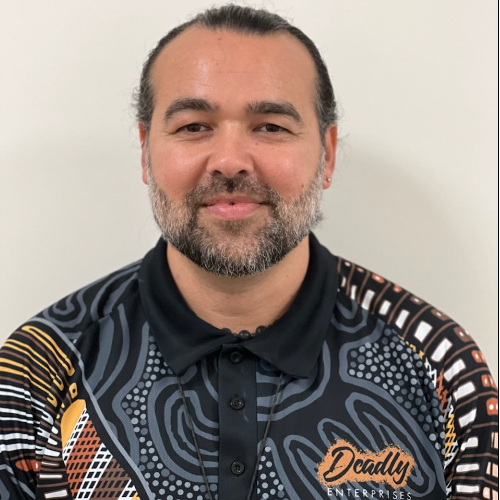
Shaun Tatipata
AFTERNOON TEA & TRADE EXPO
3:30pm-4:00pm
4.00pm-5.00pm
CPD: 1
OPENING EYES AND CLOSING THE GAP
The Indigenous and Remote Eye Health Service (IRIS) program carries out cataract surgery intensives in rural and remote areas across the Northern Territory. This session will discuss the IRIS program, the uniqueness of providing eye health care in a remote setting and the strength of collaborative care. It will also discuss creating educational resources and tailoring eye health through the lens of health equity.
Learning Objectives
Discuss cataract surgery service delivery in remote and rural areas of the NT.
Recognise the importance of collaborative care models in eye health.
Discuss the value of targeted resources and education for patients.
Our Speaker
Georgia is an optometrist with experience delivering eye health services to remote communities across the Northern Territory. Georgia works for Vanguard Health coordinating ophthalmology program delivery in rural, remote and regional areas of the Northern Territory and Far North QLD. She has experience with health education and advocacy, stakeholder engagement and coordinating programs to ensure all facets of service delivery run smoothly. Georgia is passionate about the eye health of all, particularly those living in remote and underserviced regions.
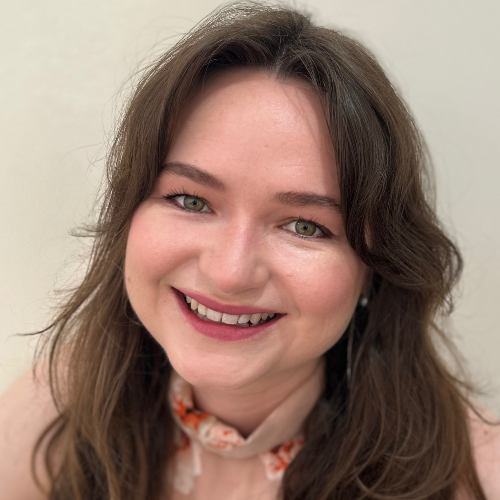
Georgia Bennett
CLOSE
5:00pm