

PROGRAM
Friday November 13
AEDT
11:00am-12:30pm
REGISTRATION AND LIGHT LUNCH
12:30pm-1:00pm
Welcome
South Australia State Lead, Optometry Australia
Welcome to Country
Cliffy Wilson
1:00pm-3:00pm
2Ti
Cases from Collaborative Clinics
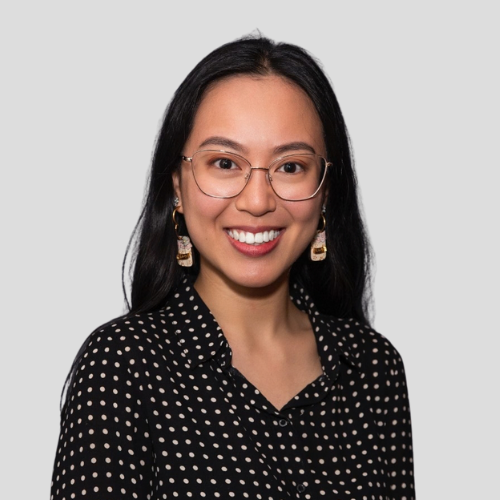
1:00-1:40pm - The kids are alright: Cases from paediatric ophthalmology
Claire Ong
This presentation aims to highlight to community optometrists the importance of their role and to encourage them to investigate paediatric patients thoroughly. Optometrists should conclude the presentation with a better understanding of paediatric eye care red flags and how to escalate to ophthalmology appropriately. Additionally, the conditions covered in the presentation will explain the ophthalmology management plans which will tie in evidence-based practice resources and principles.
Learning Objectives
Understanding paediatric eye care red flags
Appreciate the important role of community optometrists in investigating a patient and escalating to ophthalmology appropriately
Understand the collaborative nature of orthoptics, optometry and ophthalmology working in a multidisciplinary paediatric eye care model
Our Speaker
Claire graduated from Flinders University in 2021 with a Bachelor of Medical Science (Vision Science)/Master of Optometry, where she was her cohort’s recipient the Paediatric Clinical Optometry Award.
She joined the ophthalmology team at the Women’s and Children’s Hospital in 2023 to pilot the role of an optometrist in a paediatric ophthalmology hospital setting, the first role of its kind in South Australia. After several successful rounds of the pilot, she was appointed as senior optometrist in 2024 and now holds a full-time, permanent appointment at the hospital.
Working alongside a team of orthoptists, optometrists, ophthalmologists, junior doctors and nurses, she is passionate about providing collaborative, high-quality, evidence-based eye care to the children of South Australia and beyond.
Claire is also passionate about teaching and is actively engaged in the training of paediatric eye care to current and future optometrists. Her interest in professional education has led her to develop a paediatric clinical placement opportunity for final year Flinders University optometry students.
1:40-2:20pm - Spot the red flags: Simplifying ocular oncology shared care
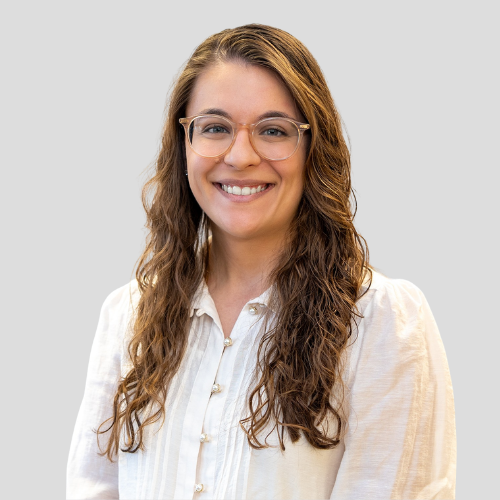
Stephanie Callisto
This presentation provides a practical approach to ocular oncology, focusing on the red flags optometrists should recognise and when referral is warranted. It will also explore how shared care can support patients through diagnosis and follow-up, while making ocular oncology feel more approachable in everyday clinical practice.
Learning Objectives
Examine ocular lesions, recognise red flags and know when to refer.
Our Speaker
Stephanie is a therapeutically endorsed clinical optometrist who graduated from Flinders University in 2018. She has extensive experience working alongside ophthalmologists in shared care models and in the management of complex eye disease, with particular interests in vitreoretinal disease and ocular oncology.
Stephanie is passionate about the role optometrists can play in collaborative models of care and in improving access to timely, high-quality eye care. She is also committed to shaping the future of the profession through supervising and lecturing optometry students at Flinders University.
2:20-3:00pm - Collaborative care for optimal patient outcomes
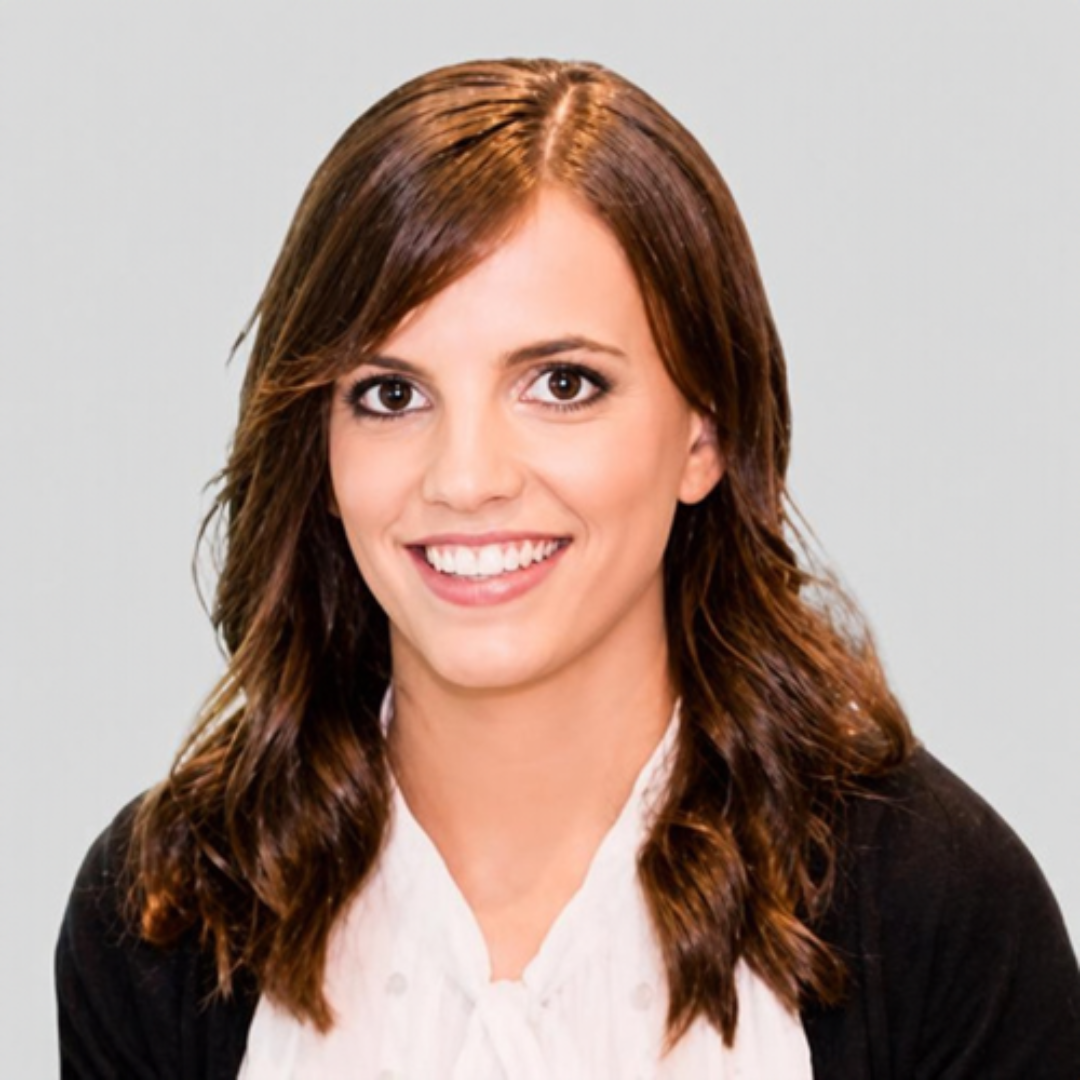
Jacqueline Warren
What does effective collaborative eye care look like in everyday practice? Drawing on case studies from the Collaborative Eye Care Project, Jacqueline Warren will explore how optometrists, ophthalmologists and other healthcare professionals can work together to coordinate assessment, referral, treatment and follow-up. Through interactive clinical cases, attendees will consider approaches to diagnosis and management, and explore practical strategies for building shared-care pathways that enable timely, coordinated and patient-centred outcomes.
Learning Objectives
Identify situations where shared care with ophthalmologists, GPs and other providers improves management.
Determine referral urgency and analyse systemic risk factors
Our Speaker
Jacqueline Warren is a Senior Lecturer in Optometry at Flinders University, with a career that bridges both public and private healthcare sectors. She has been instrumental in advancing student placement programs and pioneering collaborative care models across South Australia. In recognition of her leadership, Jacqueline was named the 2023 OVSA Optometrist of the Year for her role as clinical lead and key contributor to the development of the Collaborative Eye Care Model at SALHN. Most recently, she has been appointed the Lead of Clinical Innovation Education at Flinders University, where she is committed to further expanding integrated, community-focused health care across the state.
3:00pm-3:30pm
AFTERNOON TEA AND TRADE EXPO
3:30pm-4:30pm
1Ni (TBC)
Culturally safe and responsive eye care:
A strengths-based approach
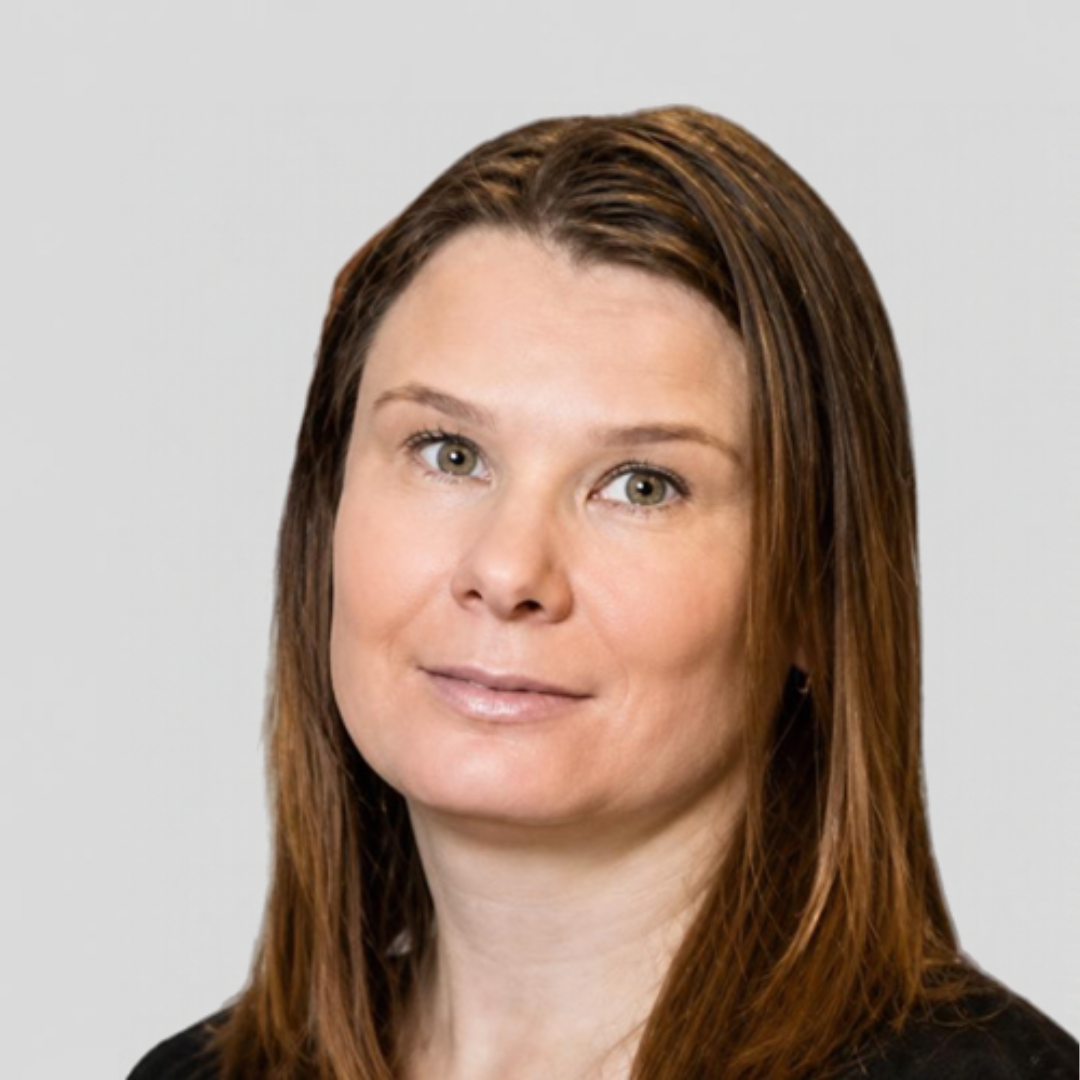
Dr Nicola Anstice
This presentation will encourage participants to reflect on their own cultural identity, personal beliefs, attitudes and values, and how these may shape their communication and clinical service delivery. Attendees will be asked to consider how to apply the principles of culturally safe care across their practice in a way that strives for equitable outcomes for all patients. In particular, the presentation will focus on how to engage in a culturally responsive, strengths-based manner with First Nations peoples.
Learning Objectives
Describe their own cultural and professional identity and how this influences professional practice.
Identify the socioeconomic, cultural, environmental and biological factors that influence health outcomes, including protective and risk factors.
Discuss how historical and systemic factors have shaped health care delivery for Aboriginal and Torres Strait Islander peoples, and identify strengths-based, community-led approaches that improve health outcomes.
Our Speaker
Dr Nicola Anstice is an optometrist, clinician scientist, and educator with a passion for advancing equitable access to eye care. She is currently Head of Research & Education at Optometry Australia, where she provides strategic leadership for education, professional development, clinical guidance and research portfolios to support members, advance professional practice and strengthen the future of the optometry profession.
Her research interests span visual development, refractive error, and culturally safe approaches to eye health for Aboriginal and Torres Strait Islander and Māori communities. She has been recognised as the winner of the Women in Innovation Awards in 2024 for her leadership and impact across the sector.
Nicola is dedicated to bridging clinical practice, education, and policy to ensure high-quality, accessible eye care for all Australians.
4:30pm-5:30pm
1Ti

Focus, fatigue and fidgeting: A practical guide to the paediatric ADHD eye exam
Hayley McDonald
Children who struggle with reading and sustained near work can present a complex clinical picture, with refractive, accommodative, binocular vision, attentional and other factors potentially contributing to their difficulties. This practical session will explore how to develop a targeted examination plan, including which tests to prioritise and how to adapt your approach for children with limited attention spans, before considering evidence-based management and referral strategies. Participants will leave with a structured approach to identifying and managing genuine visual contributors to near-work difficulties while recognising when a child's symptoms may extend beyond the visual system.
Learning Objectives
Identify the common ocular, accommodative, binocular vision and non-ocular factors that may contribute to a child experiencing difficulty with reading and sustained near work.
Recognise ocular conditions and profiles that occur more commonly in children with ADHD.
Apply current evidence to the examination and management of children with near-work difficulties; developing an efficient, targeted examination protocol and determining when treatment, monitoring or referral is appropriate.
Our Speaker
Hayley McDonald is a Lecturer at Flinders University, where she is the section lead for clinical skills education and teaches within the paediatrics program. She combines her academic role with extensive experience in independent optometric practice, caring for patients of all ages. Hayley is passionate about collaborative patient care, with a particular interest in strengthening referral pathways between optometrists and the broader network of health and education professionals supporting patients and their families.
She was Co-Chair of Optometry Australia’s inaugural Communities of Practice and Education (COPE): Paediatrics group and has facilitated interprofessional workshops aimed at improving paediatric vision screening programs and pathways to care within the South Australian community.
5:30pm-6:30pm
PRE DINNER NETWORKING EVENING
6:30pm-8:30pm
1.5i
CooperVision sponsored presentation
Sympathy for the Presbyope - ECO dinner and trivia

Joe Tanner

Join us for the ECO dinner and trivia, bringing delegates together to finish the day with education, networking and a little fun.
Presbyopia sits with death and taxes as one of three great certainties in this world. Whilst billions have been poured into making software produce better fake cat videos, not enough attention has been paid to the frustrations of being presbyopic. This presentation explores how it feels to be a presbyope and whether multifocal contact lenses can help many more middle-aged Aussies to turn back time.
Learning Objectives
Discuss how presbyopes relate to their condition.
Describe the principles used in modern multifocal contact lens design.
Maximise success when prescribing multifocal contact lenses.
Our Speaker
Joe is an optometrist who has worked in the contact lens industry in educational and commercial roles in the UK, Australia and New Zealand. He has given presentations and workshops on contact lens topics internationally as well as owning businesses involved in contact lens distribution and optometry. A former clinical supervisor at the University of Auckland and QUT, he is also a contributing author to the textbook Contact Lens Practice by Nathan Efron. Joe is a Fellow of the British Contact Lens Association and is Head of Professional Affairs for CooperVision.
PROGRAM
Saturday November 14
7:30am-8:30am
1
CSL Sponsored Presentation and Breakfast: Confidence before referral: The optometrist's impact on tear film optimisation

Dr Aanchal Gupta

Dr Jennifer Rayner

This session explores tear film management as a proactive strategy to help prepare patients for optimal surgical outcomes, rather than focusing solely on symptom management. Through a patient case study, the session will demonstrate effective co-management between optometry and ophthalmology and highlight the important role optometrists play within the multidisciplinary team in supporting surgical success.
Learning Objectives
Identify when the tear film is sufficiently optimised for surgical referral, using a structured approach aligned with TFOS DEWS III.
Implement and reassess pre‑referral tear film optimisation strategies including investigation, treatment selection and documentation to support stable biometry and surgical decision‑making.
Describe the roles of optometrists and ophthalmologists in collaborative pre‑ and post‑operative care and explain how early tear film optimisation improves surgical efficiency and patient outcomes.
Speakers
Dr Aanchal Gupta is a distinguished ophthalmologist with a career spanning over 15 years. She is the founder and Medical Director of IVISION LASER, a boutique facility specializing in advanced vision correction procedures. Dr Gupta is a Fellow of the World College of Refractive Surgery and Visual Sciences and has been instrumental in introducing several advanced procedures in Australia. Her clinical expertise includes cataract, corneal, and refractive surgery, and she is a Senior Lecturer at the University of Sydney. Dr Gupta is also involved in ongoing trials and research, frequently invited to speak on topics related to cataract and refractive surgery.
Dr Jennifer Rayner is Registered Nurse in her former life, she worked in the Royal Adelaide Hospital Ophthalmology unit (including as a Clinical Nurse) until 1996, then worked for several private Ophthalmologists in Mackay and Brisbane as an opthalmic nurse and assistant. In 2003 she graduated from Queensland University of Technology as an optometrist and practiced general optometry until 2016. She found her passion for dry eye as research became mainstream treatments and saw the need for dry eye to be addressed. She is proud to have founded South Australia’s first and still only dedicated ‘Dry Eye’ clinic - this means we don't do glasses or contact lenses, look for diabetes or glaucoma or macular degeneration, but are devoted to just helping patients with dry eye disease regain control of their life again.
She sits on advisory boards for emerging pharmaceuticals, contributes to clinical trials and is a Member of the Tear Film and Ocular Surface society LifeStyle Workshops public awareness committee. She lectures on dry eye disease and treatments in person and online to local.
9:00am-11:00am
2Ti
When cataracts get complicated: What optometrists need to know
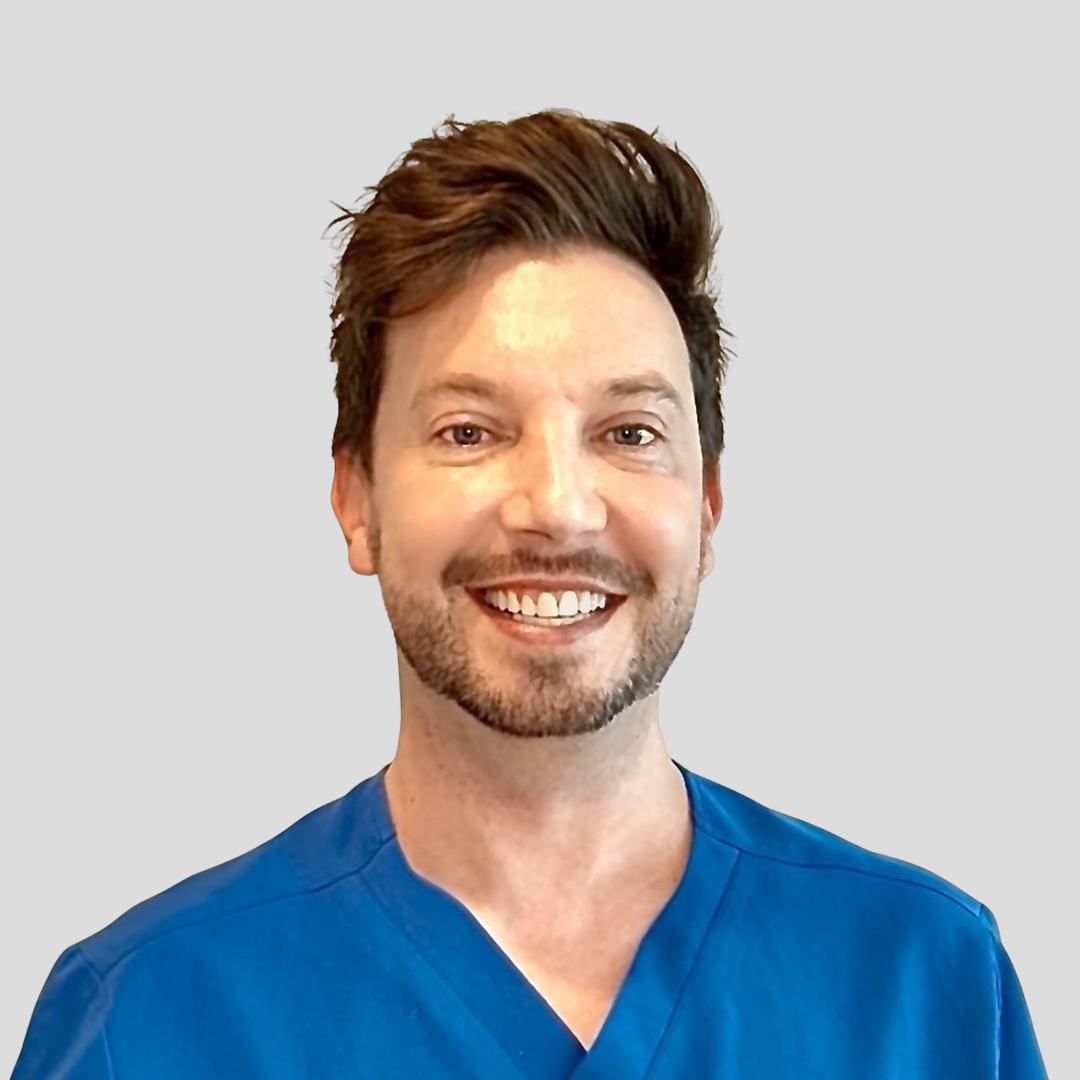
Dr Ben LaHood
Not every cataract is routine. Using illustrative interactive complex cataract scenarios, Dr Ben LaHood will explore how pre-existing ocular conditions, previous refractive surgery and individual visual goals influence surgical planning, intraocular lens choice and patient counselling. Optometrists will gain practical insights into identifying higher-risk patients, making more informative referrals and supporting safe postoperative care in collaboration with ophthalmologists.
Learning Objectives
Recognise pre-operative findings that increase cataract surgical complexity and warrant tailored referral information.
Explain how factors such as prior refractive surgery, corneal irregularity and ocular comorbidity can affect intraocular lens planning and visual expectations.
Identify postoperative warning signs and coordinate timely follow-up with the cataract surgeon.
Better understand the techniques used in complex cataract surgery to mitigate problems.
Speaker
Dr Ben LaHood is an Adelaide-based, subspecialty-trained ophthalmologist specialising in cataract and laser refractive surgery. His PhD research focused on astigmatism management in cataract surgery. Ben contributes to education in the eye world via his social media, hosting popular podcasts and frequently being invited to speak at global events. He was twice been named on The Ophthalmologist magazine’s Power List of 100 most influential people in the eye world. His clinical approach emphasises personalised visual outcomes and communication with referring optometrists.
11:00am-11:30am
MORNING TEA
11:30am-12:30pm
1
Essilor Luxottica Sponsored Presentation: Advancing Myopia Management - From Evidence to Everyday Practice

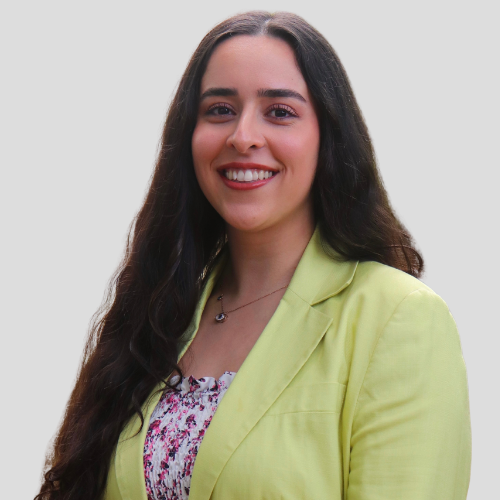
Sephora Miao
Diba Rezazadeh

This presentation will explore the latest advances in myopia management, including pre-myopia, the evidence supporting Essilor Stellest lenses, and the science behind Stellest 2.0 with H.A.L.T MAX Technology. It will translate the latest peer-reviewed evidence into practical clinical guidance, helping attendees identify suitable patients, confidently recommend Stellest lenses, and apply these insights in everyday practice.
Learning Objectives
Understand the latest advancements in myopia management, pre-myopia and Essilor Stellest lenses.
Understand the science behind Essilor Stellest 2.0 and H.A.L.T MAX Technology.
Blend scientific insights with everyday application to confidently recommend Stellest lenses.
Identify who is best suited for Stellest lenses with practical tools to support you.
Gain insights on peer-reviewed studies on Stellest lenses.
Our Speaker
Sephora Miao is an Optometrist and the Head of Medical and Professional Affairs for EssilorLuxottica ANZ. Her career spans research, clinical practice, and healthcare leadership, bringing a holistic perspective to advancing excellence in our field. Sephora is dedicated to elevating patient care through the translation of scientific evidence into clinically meaningful solutions for eyecare professionals across Australia and New Zealand.
Dr Diba Rezazadeh graduated Doctor of Optometry from the University of Melbourne in 2022. She began working at the Australian College of Optometry in 2023 as the Paediatric Resident. She is heavily involved in the ACO’s children’s clinic (including the Royal Children’s Hospital collaborative clinic), Myopia clinic, and Developmental & binocular vision clinic. She is also a clinical educator at the ACO and enjoys teaching Optometry students as they go through their placements.
12:30pm-1:30pm
LUNCH & TRADE EXPO
1:30pm-2:30pm
1
Posterior red flags: Diagnosing and managing chorio- and vitreo-retinal disease
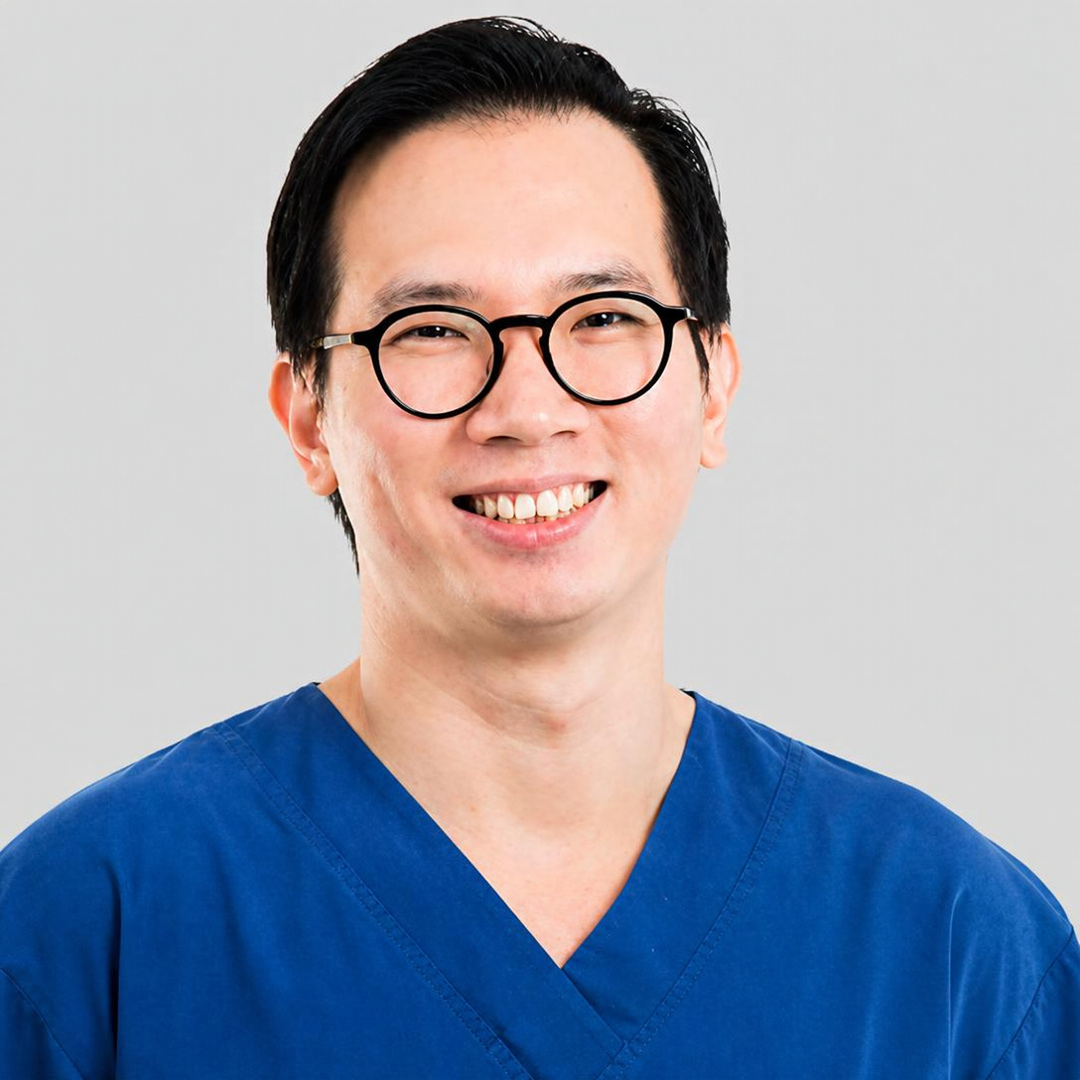
Dr David Sia
From flashes and floaters to subtle macular changes and unusual chorioretinal lesions, retinal presentations can demand rapid and nuanced clinical decisions. Through practical case-based examples, Dr David Sia will examine diagnostic clues, the role and limitations of OCT and retinal imaging, treatment pathways and when urgent vitreoretinal referral is required. The session will highlight how community optometrists can support timely diagnosis, informed referral and ongoing collaborative management.
Learning Objectives
Differentiate common and sight-threatening vitreoretinal and chorioretinal presentations using symptoms, dilated examination and multimodal imaging.
Determine appropriate urgency of referral and initial management and refer appropriately
Our Speaker
Dr David Sia MB ChB FRANZCO is an Adelaide-based ophthalmologist with dual fellowship training in ocular oncology and vitreoretinal surgery. After completing his medical degree at the University of Otago in 2009 and ophthalmology training in South Australia and the Northern Territory, he undertook an ocular oncology fellowship in London at Moorfields Eye Hospital, St Bartholomew’s Hospital and the Royal London Hospital, followed by a two-year vitreoretinal fellowship at Alberta Retina Consultants in Edmonton, Canada. He returned to Adelaide in 2020 and was appointed as a vitreoretinal specialist and ocular oncologist at the Royal Adelaide Hospital, Flinders Medical Centre and Women’s and Children’s Hospital. Dr Sia is involved in clinical teaching and research and is a Clinical Lecturer at the Flinders University and Clinical Associate Lecturer at the Adelaide University.
2:30pm
CLOSE